Dental plaque
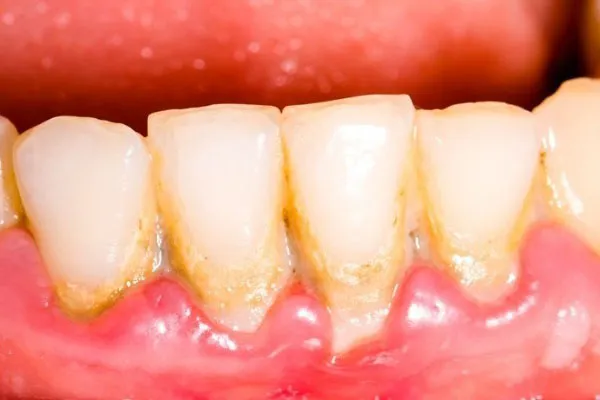
Dental plaque is one of the most common causes of tooth decay and periodontal disease. Plaque consists of a large number of bacteria bound together in a mucopolysaccharide matrix. It cannot be rinsed off, but it can be removed mechanically with a toothbrush. Its main characteristic is that it sticks to the tooth surface, and only a few minutes after polishing it starts forming again from saliva as a very thin layer that coats the teeth.
The bacteria in plaque then produce acids that damage the enamel surface, where whitish spots appear – the first sign of developing decay. When calcium from saliva is deposited in the plaque, it hardens into tartar, the main cause of periodontal disease.
Regular oral hygiene makes a big difference to how much plaque builds up. By brushing your teeth at least twice a day and rinsing with oral hygiene products, you support the health not only of your teeth and mouth but of your whole body.